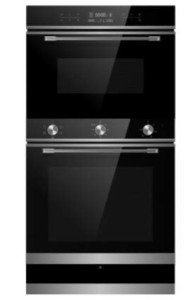
These Are The Most Common Mistakes People Make With Built In Oven
The Ultimate Guide to Buying a Built-In Oven
In the realm of modern cooking appliances, built-in ovens stand out for their seamless combination into kitchen cabinetry, visual appeal, and advanced cooking technologies. They supply a wide variety of functions and a streamlined design, dealing with both cooking enthusiasts and daily cooks. However, picking the ideal built-in oven can be daunting given the wide range of alternatives offered in the market. This post acts as an extensive guide, highlighting essential factors to consider when acquiring a built-in oven, popular features, and responses to often asked questions (FAQs).
Why Choose a Built-In Oven?
Built-in ovens offer numerous advantages, including:
- Space Efficiency: They are created to suit existing cabinetry, optimizing kitchen space.
- Visual Appeal: With a range of designs and surfaces, built-in ovens boost the overall look of a kitchen.
- Advanced Features: Many come geared up with cutting edge innovation, making cooking much easier and more precise.
- Personalization: Built-in ovens can be installed at eye level or listed below counter height, offering flexibility based on personal choice.
Secret Considerations When Buying a Built-In Oven
Here are necessary elements to think about before buying:
1. Size and Dimensions
Before choosing a built-in oven, it is essential to measure the available space. Requirement built-in ovens normally fall into two main categories:
Oven Size
External Dimensions
Internal Capacity
Single
24-30 inches wide
3-5 cubic feet
Double
30-36 inches wide
5-10 cubic feet
Guarantee that the picked design fits your kitchen cabinetry both in width and height.
2. Kind of Oven
Built-in ovens can be found in various types, consisting of:
- Conventional Ovens: Uses heating aspects above and below for standard baking and roasting.
- Convection Ovens: Employs a fan to flow hot air, providing even cooking.
- Wall Ovens: Installed vertically at eye level for much easier gain access to.
- Steam Ovens: Uses steam to prepare food, maintaining nutrients and wetness.
3. Fuel Type
Built-in ovens are available in various fuel types:
- Electric: Often warms more evenly, ideal for baking.
- Gas: Offers instant temperature level control, great for roasting and broiling.
- Double Fuel: Combines the best of both worlds with a gas cooktop and electric oven.
4. Functions and Technology
Modern built-in ovens featured a myriad of features that boost the cooking experience:
- Smart Technology: WiFi-enabled designs allow users to manage the oven from another location by means of an app.
- Self-Cleaning: Reduces the effort needed to keep a clean oven.
- Delay Start: Lets you configure the oven to begin cooking at a fixed time.
- Several Cooking Modes: Options for baking, broiling, roasting, and more.
5. Brand and Price
Selecting a reputable brand can guarantee quality and reliability. Relative rates among various brand names can aide in decision-making. Here's a short overview of popular brand names and their rate varieties:
Brand
Avg. Price Range
Notable Features
Bosch
₤ 1,000 – ₤ 3,000
Sleek style, trusted performance
Whirlpool
₤ 800 – ₤ 2,500
User-friendly controls
KitchenAid
₤ 1,200 – ₤ 3,500
Innovative functions, trendy designs
GE Appliances
₤ 900 – ₤ 2,800
Range of sizes and choices
Installation Considerations
Installation of a built-in oven is an essential element that needs to not be ignored. It's extremely suggested to employ an expert when setting up a built-in oven. built in oven and induction hob package can attend to electrical or gas line problems and guarantee that the oven is fitted firmly in the cabinets.
Upkeep Tips
Keeping a built-in oven is necessary to extend its life expectancy and efficiency.
- Clean Regularly: Wipe down surfaces and avoid letting spills become baked-on.
- Usage Appropriate Cookware: This prevents damage to interior surfaces and improves cooking effectiveness.
- Inspect Seals: Inspect the door seals regularly for wear and tear to preserve energy performance.
FAQs About Built-In Ovens
1. How do I know which size built-in oven to buy?
Step the space you have readily available and compare it to the oven measurements. Standard sizes normally range from 24 to 30 inches for single ovens.
2. Can I install a built-in oven myself?
While it's possible to set up a built-in oven without expert aid, hiring an experienced technician is suggested for safety, especially with gas or electrical connections.
3. What is the typical life-span of a built-in oven?
Normally, built-in ovens last about 10-15 years with appropriate maintenance.
4. Are built-in ovens energy effective?
Energy efficiency differs by model. Look for energy ratings or eco-friendly features when selecting an oven.
5. Do built-in ovens need special kitchen cabinetry?
Yes, they are designed to fit particular kitchen cabinetry sizes. Make sure the kitchen cabinetry is built to accommodate the preferred oven's dimensions.
A built-in oven is an exceptional investment that can significantly enhance your cooking experience and kitchen visual. With numerous sizes, types, and advanced functions, understanding your requirements and choices is crucial for making the right option. By considering dimensions, fuel type, and brand name reputation, you can with confidence pick a built-in oven customized to your lifestyle. Eventually, a well-chosen built-in oven will not only elevate your culinary skills however likewise serve as a sensational centerpiece in your kitchen for years to come.